Practical guidance for living healthier, aging well, and becoming more of who you want to be.


What evidence supports, what remains uncertain, and where to focus your effort.
There is no single puzzle, supplement, or app proven to prevent dementia. Brain health is shaped by many factors, including cardiovascular health, physical activity, sleep, hearing, social connection, education, and management of medical conditions.
That may sound less exciting than a miracle product, but it is more useful. Many actions that support the brain also support the heart and everyday independence.
Move your body
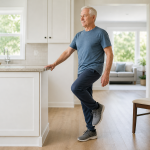
Physical activity is associated with better cognitive function in later life. Some research suggests it may support cognitive resilience—the brain’s ability to function despite age-related changes or disease—but observational findings do not establish a guaranteed protective effect for an individual.
Learn something with real challenge
Cognitive training can improve the specific abilities being practiced. The large NIH-supported ACTIVE study found that healthy older adults could improve targeted cognitive skills with training. That does not mean every commercial “brain game” prevents dementia.
Choose activities that require attention, adaptation, and progress: learning a language, practicing an instrument, taking a course, using unfamiliar technology, dancing, writing, or developing a new craft. The goal is not simply to stay busy; it is to keep learning.
Protect the foundations
Address blood pressure, diabetes, cholesterol, smoking, depression, hearing loss, medication side effects, and sleep problems with qualified professionals. Stay physically active and socially engaged. Eat in a broadly nutritious pattern rather than relying on supplements marketed with dramatic claims.
Know when to ask for help
Occasional forgetfulness can happen with normal aging. Seek medical evaluation when memory or thinking changes interfere with finances, medication use, driving, navigation, work, cooking, or other familiar tasks. Some causes of cognitive symptoms are treatable, so early evaluation matters.
A practical weekly plan
Combine three elements: movement, learning, and connection. Take a walk with a friend, attend a class, or practice a new skill with a group. One activity can challenge the brain while supporting the rest of your health.
Bottom line: Healthy brain aging is not about outsmarting time. It is about protecting overall health, continuing to learn, and staying engaged with life—without believing promises that outrun the evidence.
Sources
- NIA ACTIVE cognitive-training study
- NIA on physical activity and cognition
- NIA on lifestyle and cognitive function
This article is for educational purposes and is not a substitute for individualized medical advice.