
Practical guidance for living healthier, aging well, and becoming more of who you want to be.


Pet sitting and house sitting may sound simple: feed a cat, walk a dog, water plants, bring in mail, and make a home look occupied. In reality, customers are trusting you with living animals, property, keys, alarm systems, and private information.
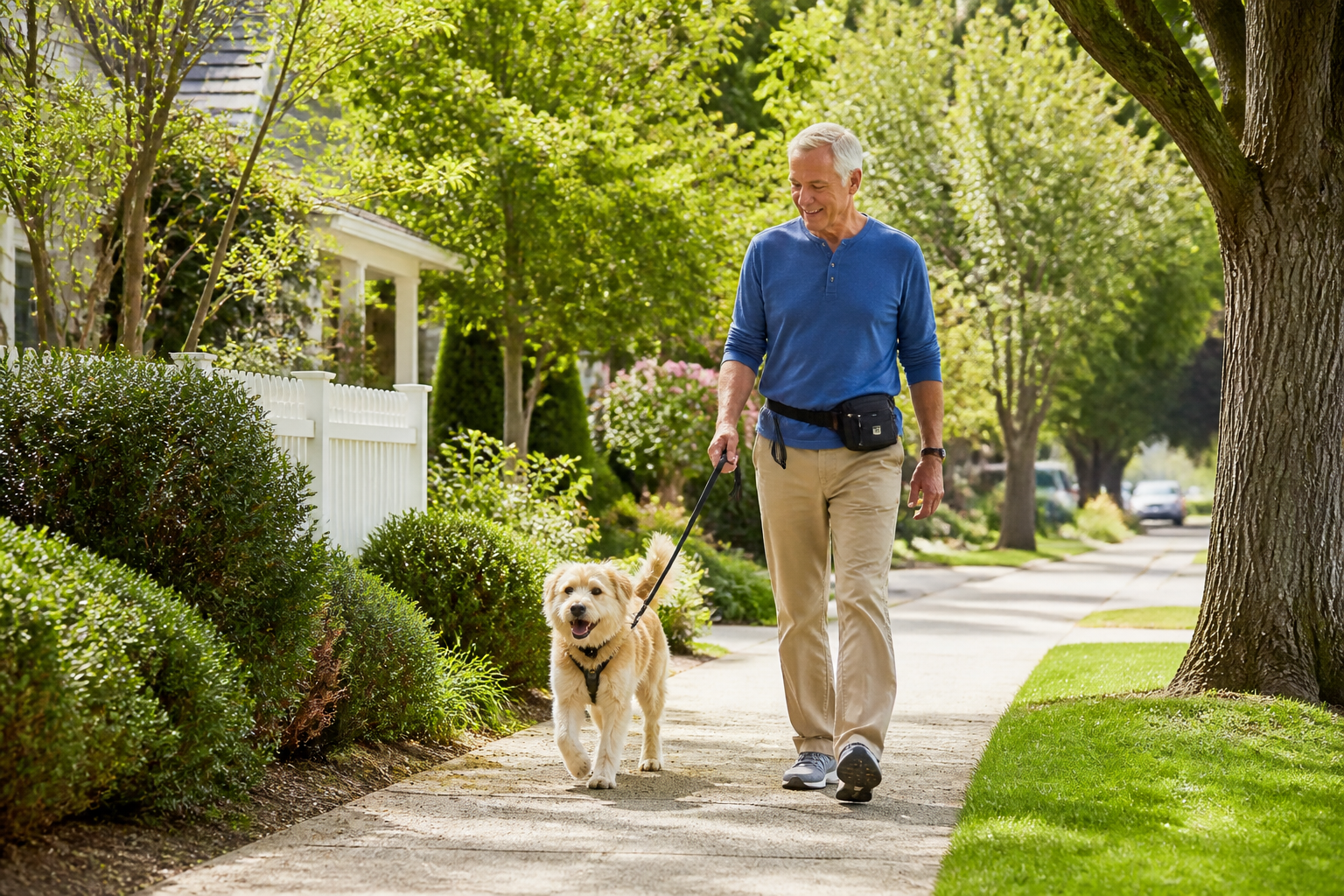
That responsibility does not make the work a bad side hustle. It means you should begin with clear limits, careful screening, and a written plan.
Decide exactly what you will offer
Choose a narrow service based on your ability and comfort. Options include:
- Short drop-in pet visits
- Cat care without overnight stays
- Dog walking within a defined size or temperament range
- Plant watering and mail collection
- Overnight house sitting
- Basic home checks while owners travel
Be honest about mobility, balance, lifting, weather tolerance, allergies, and confidence around animals. A strong dog that pulls, an icy sidewalk, or a pet that requires injections can turn a routine visit into a serious risk.
Never agree to administer medication or manage a health condition unless you understand the instructions, feel competent, and have appropriate authorization and coverage. Know how to reach the owner and veterinarian in an emergency.
Use a meet-and-greet checklist
Meet the owner and pet before accepting the booking. Observe the animal’s behavior and practice the normal routine while the owner is present.
Ask for written information about:
- Feeding and walking schedule
- Medications and health concerns
- Veterinarian and emergency clinic
- Behavioral triggers and bite history
- Other people who may enter the home
- Alarm, lock, and camera systems
- Emergency contacts
- Authorized spending in an emergency
- What to do if travel is delayed
If the answers feel incomplete or unsafe, decline the booking. Trust is important, but it is not a substitute for preparation.
Put the agreement in writing
A basic service agreement should define dates, visit length, included tasks, price, payment timing, cancellation terms, emergency authority, key handling, and liability expectations.
Also specify what is not included. Examples might include transporting the animal, off-leash walks, guests in the home, snow removal, pool care, or handling aggressive animals.
Local rules may require a business license, animal-care permit, or other registration. If you use a platform, understand its fees, cancellation rules, dispute process, background-check claims, and insurance limitations.
Think seriously about insurance
A homeowner’s, renter’s, or personal auto policy may not cover paid business activity. General liability, care-custody-control coverage for animals, bonding, and commercial auto considerations may apply depending on the service.
Ask a licensed insurance professional what is appropriate. Do not assume a platform’s marketing language means every incident is covered.
Protect privacy and physical safety
Keep addresses, travel dates, alarm codes, keys, and client information private. Do not post photographs from a client’s home without permission. Use a secure system for keys and avoid labels that identify the address.
Tell a trusted person your schedule. Check in and out. For a new client, conduct the first meeting during daylight when possible. If a situation changes—an unknown person is present, a dog behaves aggressively, or the home seems unsafe—leave and contact the owner.
Price for responsibility, not just minutes
A 30-minute visit may require 20 minutes of driving, messaging, key handling, and recordkeeping. Include those demands when setting a price.
Consider:
- Travel distance
- Number and type of animals
- Visit duration
- Holidays and last-minute bookings
- Medication or special-care requirements
- Overnight responsibility
- Platform and payment fees
- Insurance and supplies
Use a defined service radius and minimum booking to prevent travel from consuming the income.
Begin with people you can verify
Your first bookings might come from friends, neighbors, a veterinarian’s referral board, or a community organization. Ask for references and provide yours. Scammers also post fake caregiver and pet-care jobs, sometimes sending a counterfeit check and asking the worker to buy supplies or send money elsewhere.
Never deposit a check and return part of the money or use it to buy gift cards. Never pay someone in order to receive a job.
Pet and house sitting can become meaningful, flexible work when it matches your abilities. The right first client is not simply the one who pays. It is the one whose needs, animal, home, and expectations you can manage safely and professionally.
Sources
- Federal Trade Commission, Nanny and Caregiver Job Scams: https://consumer.ftc.gov/articles/nanny-and-caregiver-job-scams
- Federal Trade Commission, Job Scams: https://consumer.ftc.gov/articles/job-scams
- Internal Revenue Service, Manage Taxes for Your Gig Work: https://www.irs.gov/businesses/small-businesses-self-employed/manage-taxes-for-your-gig-work
This article is for general educational purposes and is not legal, tax, insurance, veterinary, or financial advice.