
Practical guidance for living healthier, aging well, and becoming more of who you want to be.


Road trips offer control: you choose the route, luggage, stops, and pace. But long hours behind the wheel can also magnify fatigue, stiffness, medication effects, vision changes, and unfamiliar-road stress.
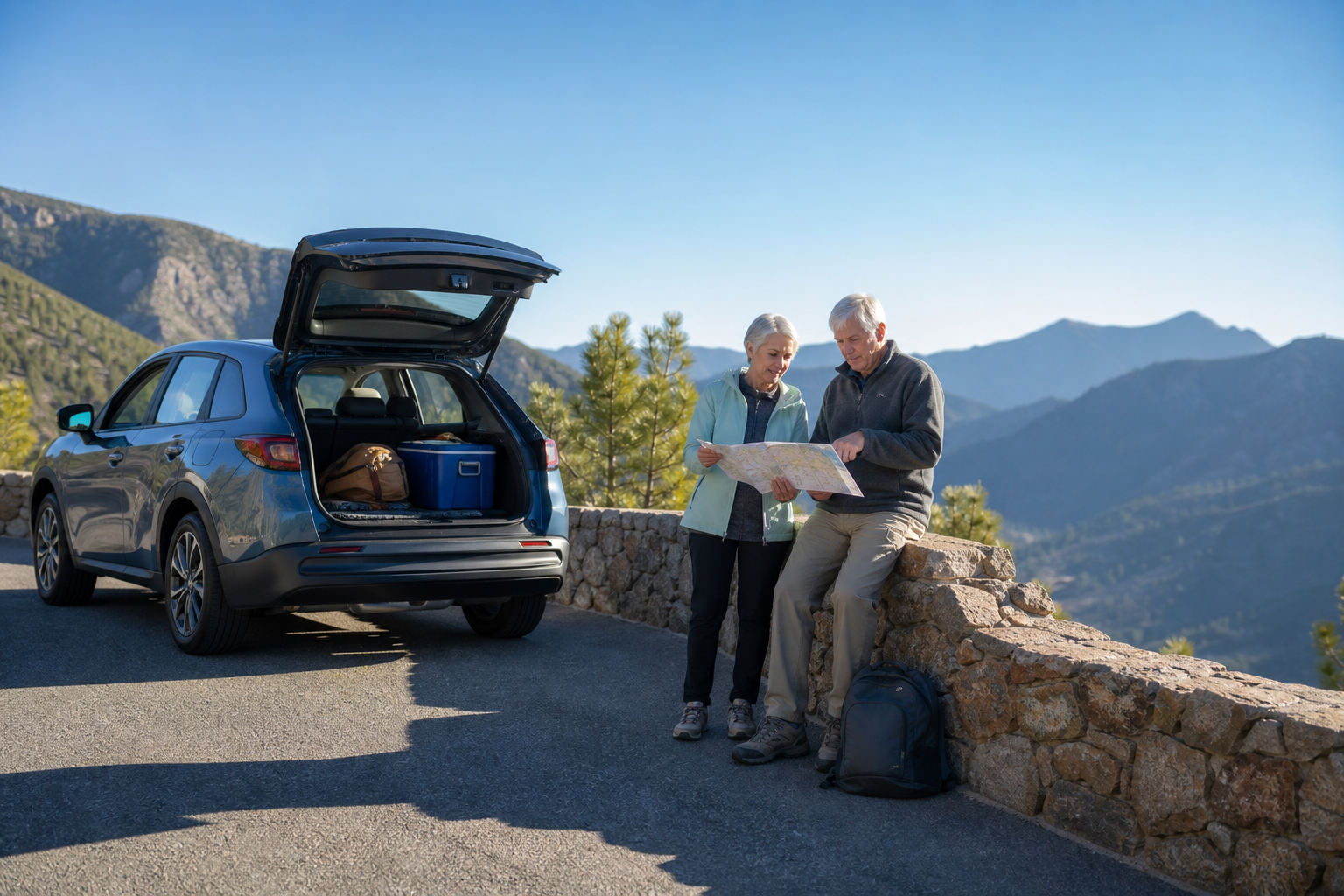
Age alone does not determine whether someone can drive safely. NHTSA emphasizes individual changes in vision, physical fitness, attention, memory, reaction time, and health. A thoughtful plan uses that information rather than relying on pride or fear.
Review the driver, not just the car
Before a major trip, consider whether driving has recently felt more difficult. Warning signs include missing signs, becoming overwhelmed in complex traffic, getting lost on familiar routes, new dents, near misses, or trouble turning to check blind spots.
Review medications with a pharmacist or clinician. Prescription and over-the-counter products—including some sleep aids, antihistamines, pain medicines, and anxiety medicines—can impair alertness or reaction time. Never test a sedating product on a travel day.
Choose the easiest safe conditions
Whenever possible, drive during daylight, outside rush hour, and in familiar weather. Avoid creating a schedule that requires driving through heavy rain, snow, mountain roads, or an unfamiliar city after dark.
Load the route before departure and mount the navigation device where it does not block the road view. Let a passenger manage directions, messages, and music. If traveling alone, pull over safely before changing the route.
Break the distance into realistic segments
A map’s estimated time does not include meals, restrooms, construction, stretching, or unexpected fatigue. Add generous buffer time and decide in advance when the driving day ends.
Stop at regular intervals to walk, use the restroom, eat, and reassess alertness. A break can improve comfort, but it cannot reliably reverse severe sleepiness. If you are fighting to keep your eyes open, missing exits, drifting in the lane, or forgetting the last few miles, stop driving and sleep or change drivers.
Fit the vehicle to your body
Adjust the seat so you can reach pedals comfortably while maintaining a safe distance from the airbag. Position mirrors to reduce blind spots and make sure you can turn the wheel without shoulder strain.
Clean the windshield inside and out, check wipers and lights, and reduce dashboard glare. Keep a current pair of prescription glasses within reach. Driver-assistance features can help, but they do not replace attention; learn their limits before the trip.
Make stops easier on the body
Pack frequently used items where they can be reached without twisting or lifting heavy luggage. Choose supportive footwear and use small cushions only if they do not interfere with safe control of the vehicle.
Movement breaks can reduce stiffness. Walk briefly and move ankles and legs, but seek medical advice for personal circulation concerns—especially after recent surgery or with a history of blood clots.
Prepare for a change of plan
Carry roadside assistance information, charging cables, water, weather-appropriate clothing, essential medicines, and emergency contacts. Download directions in case cellular service disappears.
Identify hotels or alternate drivers along the route. Paying for an unplanned night is better than forcing the final hours when attention is fading.
Use a predeparture decision check
Ask:
- Did I sleep adequately?
- Have I taken anything that could impair driving?
- Are weather and visibility acceptable?
- Can I move my head and body comfortably enough to scan traffic?
- Do I have a stopping point that leaves room for delays?
- Will I stop immediately if alertness declines?
A good road trip is not measured by how many hours you endured. It is measured by arriving with enough energy to enjoy where you went.
Sources
- National Highway Traffic Safety Administration, Older Drivers: https://www.nhtsa.gov/road-safety/older-drivers
- NHTSA, Keeping Our Older Drivers Safe on the Road: https://www.nhtsa.gov/older-drivers/keeping-our-older-drivers-safe-road
- NHTSA, Driving Safely While Aging Gracefully: https://www.nhtsa.gov/older-drivers/driving-safely-while-aging-gracefully
This article is for general educational purposes and is not medical or driving-fitness advice.